Published by The i Paper (13th October, 2025)
While we watch the unfolding events in Gaza, hoping desperately for peace after the most terrible two years of bloodshed and horror, a revolution is sweeping the world. Some governments have fallen, others are fighting for survival. The tumult can be seen from Asia to South America and at both ends of the African continent. It is sparked by very different localised events yet it has one key thing in common: the frustrated outrage of a generation emerging into adulthood only to find that it is being betrayed by the older people in power.
These are the Gen Z protests, arguably the most significant wave of civil unrest seen on the world’s streets since the Arab Spring uprisings of 2011. They are taking place in places as distant and distinct as Madagascar – where the president claims a coup is under way – Morocco, Nepal and Peru. But they expose the fury of a blighted generation – born between 1996 and 2010 – growing up in a digital age under the glowering shadows of climate change, economic stagnation and a global pandemic, only to discover that promised hopes of a better future were being stifled by corrupt, inept or shamefully selfish rulers.
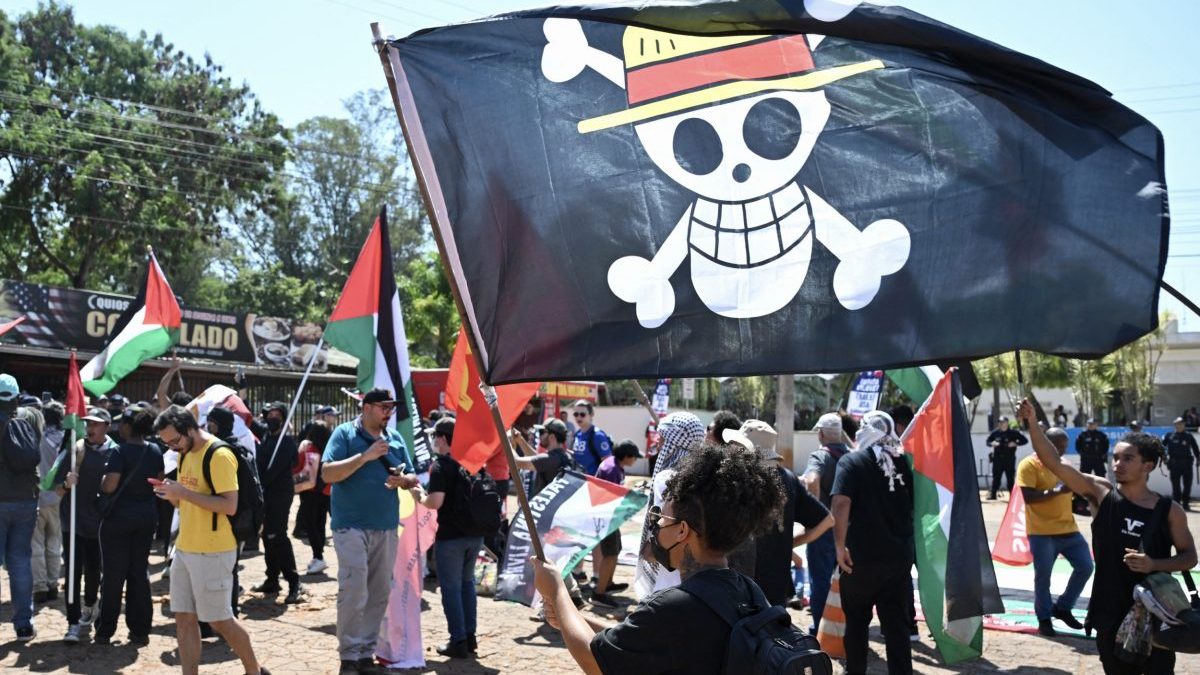
This is the same despair, the same corrosive mood of generational discontent, that can be detected across the West with a declining faith in democracy and dissolving trust in traditional institutions, leading to a drift towards political extremes. It is fired up by social media, inflaming their sense of injustice from a young age, while their intuitive technological skills enables rapid mobilisation of forces on to the streets. Their symbol of resistance is a grinning skull-and-bones wearing a straw hat – which was adopted from a Japanese manga series called One Piece about pirates who challenge repressive authorities and has been seen at British protests over Gaza.
Such imagery might seem cartoonish, yet its appearance last month on the golden gates of a burning government palace in Nepal underlined the seriousness of these protests by hyperconnected young people. Demonstrations that began over a cack-handed attempt to ban social media sites exploded into a revolt against corruption and inequality, organised on the gaming app Discord. The anger was stoked by “nepo kids” – the children of politicians flaunting riches on Instagram in a nation where one in five people live below the poverty line. Officials were beaten, prisoners freed, courts burned, government buildings ransacked and at least 72 people died before the prime minister was ousted.
This insurgency was followed by a tide of similar youth-led protests. They were fuelled by very different grievances – shortages of water and power in Madagascar; pension reforms in Peru; stealing flood relief funds in the Philippines; boosting perks for politicians in Indonesia; blowing public money on World Cup facilities in Morocco amid neglect of public services. Often climate change or extreme weather patterns can be detected lurking in the background of the societal turbulence. Yet all show clearly the ferocity of the rage of younger generations – rooted in similar issues of corruption, inequality and gross political incompetence.
They share the spirit of youthful despondency and adaptive use of social media that spurred the seismic Arab Spring revolts. The latest wave of protest can be linked to June demonstrations in Kenya, sparked by the death of a blogger in police custody following a social media post critical of a senior police official. It is tied also to last year’s student-led insurgency that ended Sheikh Hasina’s appalling reign in Bangladesh and even to the uprising three years ago in Sri Lanka that forced out another dreadful regime in the region.
These movements tend to be fluid and leaderless to evade crackdowns. They show how in an ultra-connected age, protesters around the planet can inspire each other and share tactics – as well as barbed jokes, brutal memes and that piratical symbol of dissent. Social media is threaded through these protests, highlighting again the difficulties of regulating such a disruptive and powerful force even at a time when it is exploited for malign purposes by some of the darkest global forces. One leading activist in an African nation’s protest movement told me they use cryptocurrencies such as Bitcoin to thwart government attempts to identify and cut off their funding.
Young generations have taken to the streets before, of course, as seen in both Europe and the United States in the Sixties. But these digital technologies make it easier to organise against flat-footed older people in power. Often these are young countries, so demographics amplify the concerns of embittered younger citizens. Madagascar, for instance, has been so badly run that in the six decades since my birth it saw the biggest fall in gross domestic product of any nation without civil war while its population grew sixfold and its glorious forests were largely destroyed.
Such countries might seem distant and their concerns of minimal interest to many Britons, especially amid our own problems. Yet it is bad governance, corruption and environmental degradation that drives much of the migration to Europe when young people feel they must leave their homes in search of better lives. And it is amoral foreign firms that often pay the bribes to dodgy politicians and wash their plundered cash. Last year, the Madagascan president’s former chief of staff was convicted and jailed in London after offering gem mining rights to a British firm in return for substantial payments. Corruption is theft of the next generation’s future, not just its funds.
Ketakandriana Rafitoson, a leading anti-corruption campaigner in Madagascar, told me their protests had ignited due to something “almost unimaginable in a modern state – sustained water cuts and electricity blackouts”. She said they echoed events from Morocco to Nepal because digitally-connected, disillusioned young people were no longer willing to accept hollow promises and the life being offered. “What pushed this outburst past grievance into nationwide upheaval was the sense that the state had long stopped working for people,” she added. Sadly, despite the immense scale of problems in her own nation, these words will resonate far beyond Madagascar’s capital, Antananarivo.